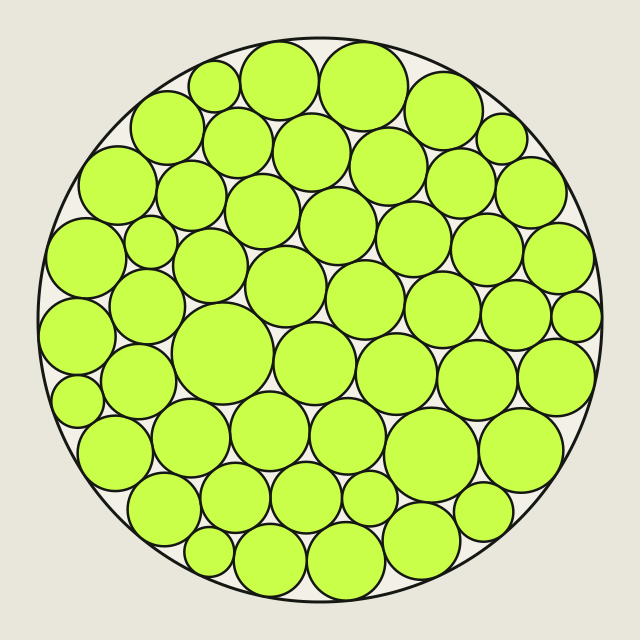
 Left: the sub-problem's current record construction. Right: the pinned score and contributor from the certified breakthrough.
Sum of radii in the unit circle · n = 50
- Verified contributor
- Tmrg#34
- Solution method
- AI · OpenAI: GPT-5.6 Sol
- Verified
Review: The submission was retrieved and re-verified in exact integers: every circle lies in the unit disc and no two overlap, with radius sum 6.538814808, above the upper edge 6.53815 of the source's truncation interval by 0.000664808. The source's new figure, rebuilt and optimised without a cap, reaches only 6.538140455, and the site's earlier certified construction is 6.53847458, so this is a different and better construction. Submission UUID and construction SHA-256 are pinned. Not a proof of global optimality.
Joost de Winter's 6.53814+ in Erich Friedman's Circles in Circles maximum-total-perimeter table, revision 948f738 of 2026-10-01, read as the truncation [6.53814, 6.53815)
Earlier certifications (1)
These snapshots preserve the original scores, benchmark sources, and contributors. Historical honours remain permanently; live points apply only to an eligible current holder and do not stack across multiple reviews.
6.53486→6.53847458+0.055236%
AI · DeepSeek: DeepSeek V4.1 Flash
Review: The submission was retrieved and re-verified in exact integers: every circle lies in the unit disc and no two overlap, with radius sum 6.53847458, above the upper edge 6.534865 of the source's rounding interval by 0.00360958, more than 360 times the source's last-place unit 0.00001. The site's reconstruction of the source figure, locally optimised, stops at 6.534856438, in line with the printed value, so this is a better construction rather than a finer evaluation of the published one. Submission UUID and construction SHA-256 are pinned. Not a proof of global optimality.
Erich Friedman's Circles in Circles maximum-total-perimeter table, rechecked on 2026-09-29 and byte-identical to the site's archive; Jonathan Viquerat's September 2026 five-decimal value 6.53486, read as rounded to [6.534855, 6.534865] ↗ Left: the sub-problem's current record construction. Right: the pinned score and contributor from the certified breakthrough.
 Left: the sub-problem's current record construction. Right: the pinned score and contributor from the certified breakthrough.
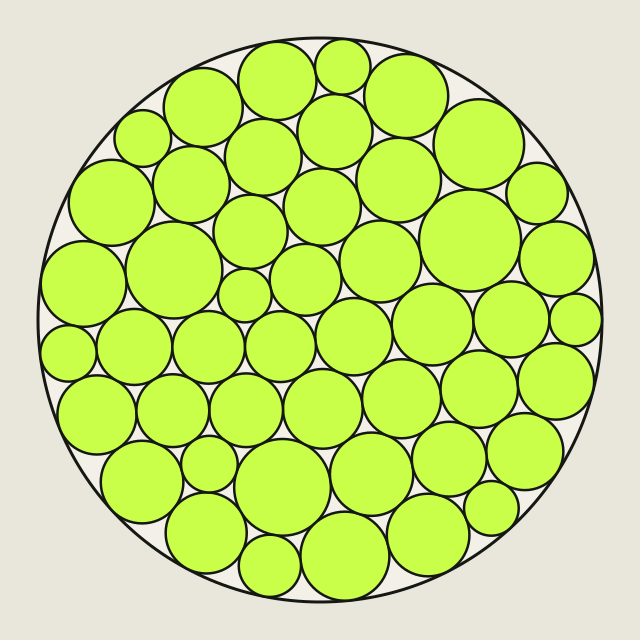 Left: the sub-problem's current record construction. Right: the pinned score and contributor from the certified breakthrough.
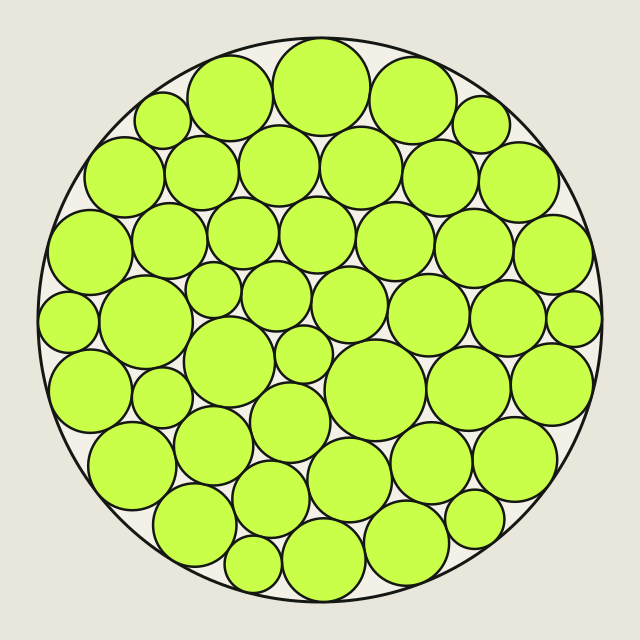 Left: the sub-problem's current record construction. Right: the pinned score and contributor from the certified breakthrough.
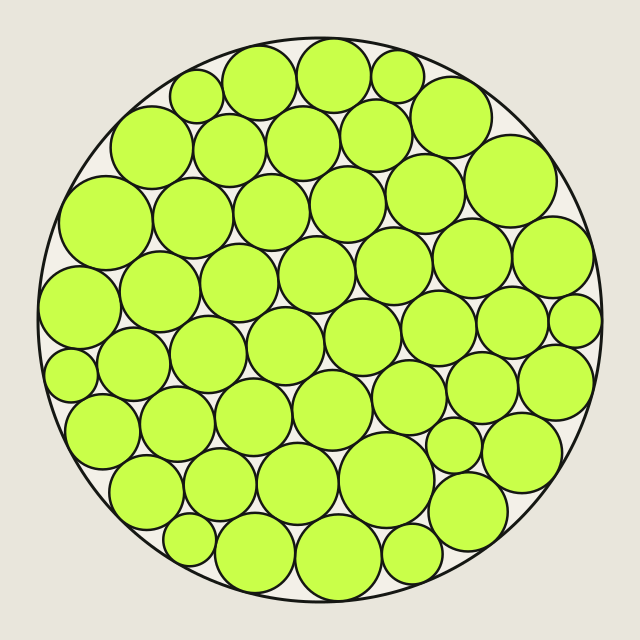 Left: the sub-problem's current record construction. Right: the pinned score and contributor from the certified breakthrough.
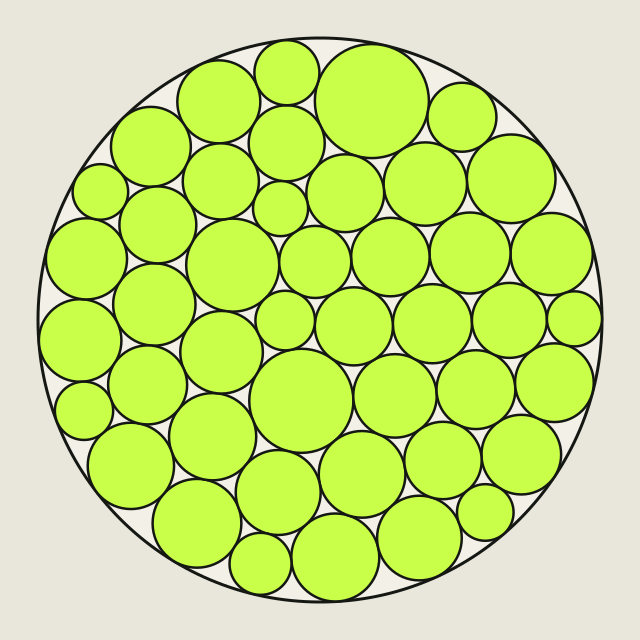 Left: the sub-problem's current record construction. Right: the pinned score and contributor from the certified breakthrough.
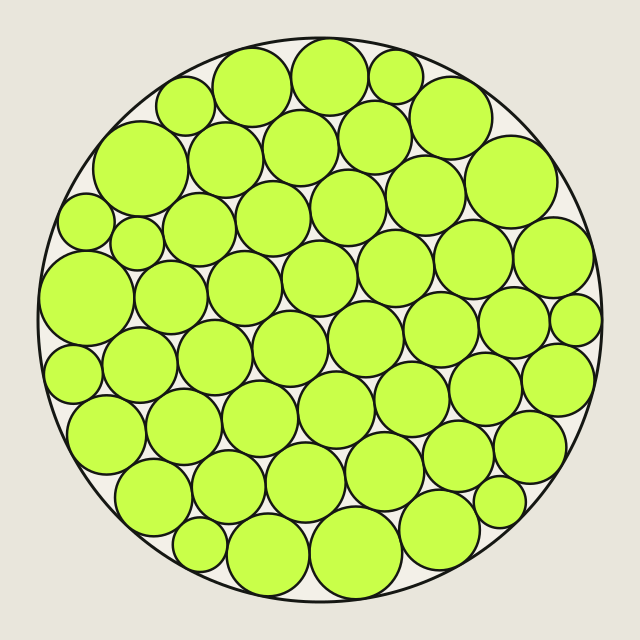 Left: the sub-problem's current record construction. Right: the pinned score and contributor from the certified breakthrough.
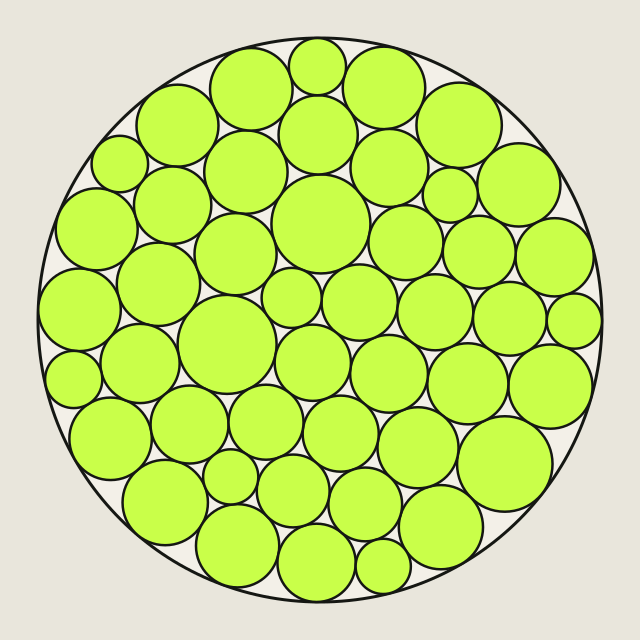 Left: the sub-problem's current record construction. Right: the pinned score and contributor from the certified breakthrough.
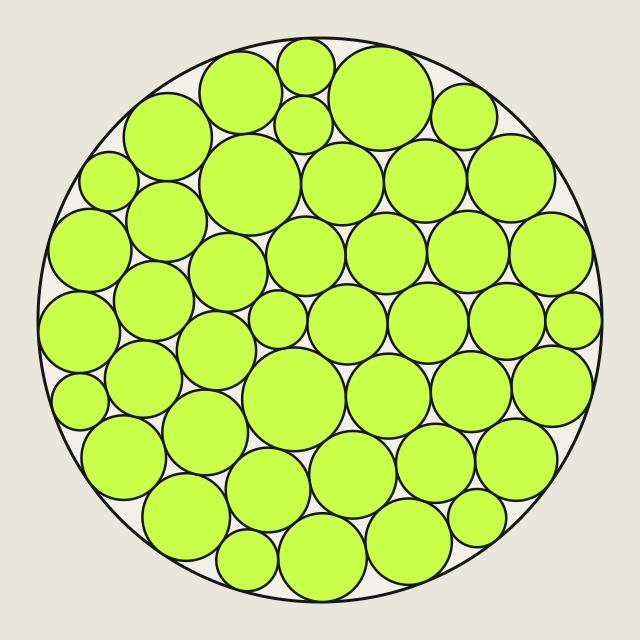 Left: the sub-problem's current record construction. Right: the pinned score and contributor from the certified breakthrough.
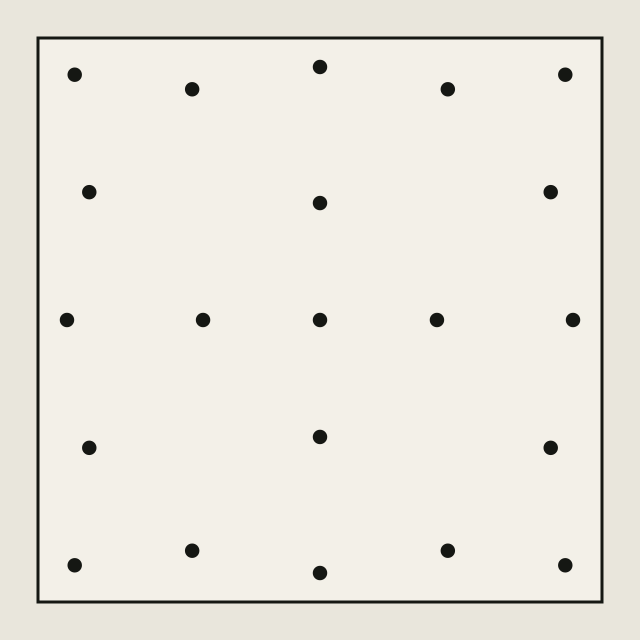 Left: the sub-problem's current record construction. Right: the pinned score and contributor from the certified breakthrough.
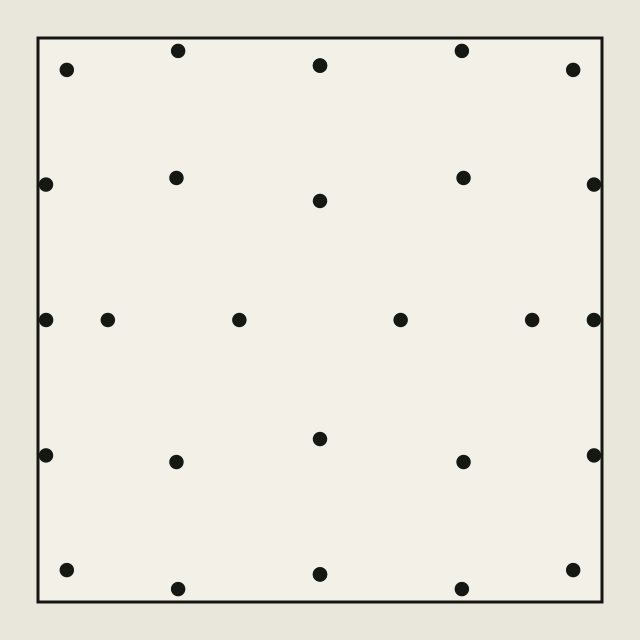 Left: the sub-problem's current record construction. Right: the pinned score and contributor from the certified breakthrough.